
Introduction
-
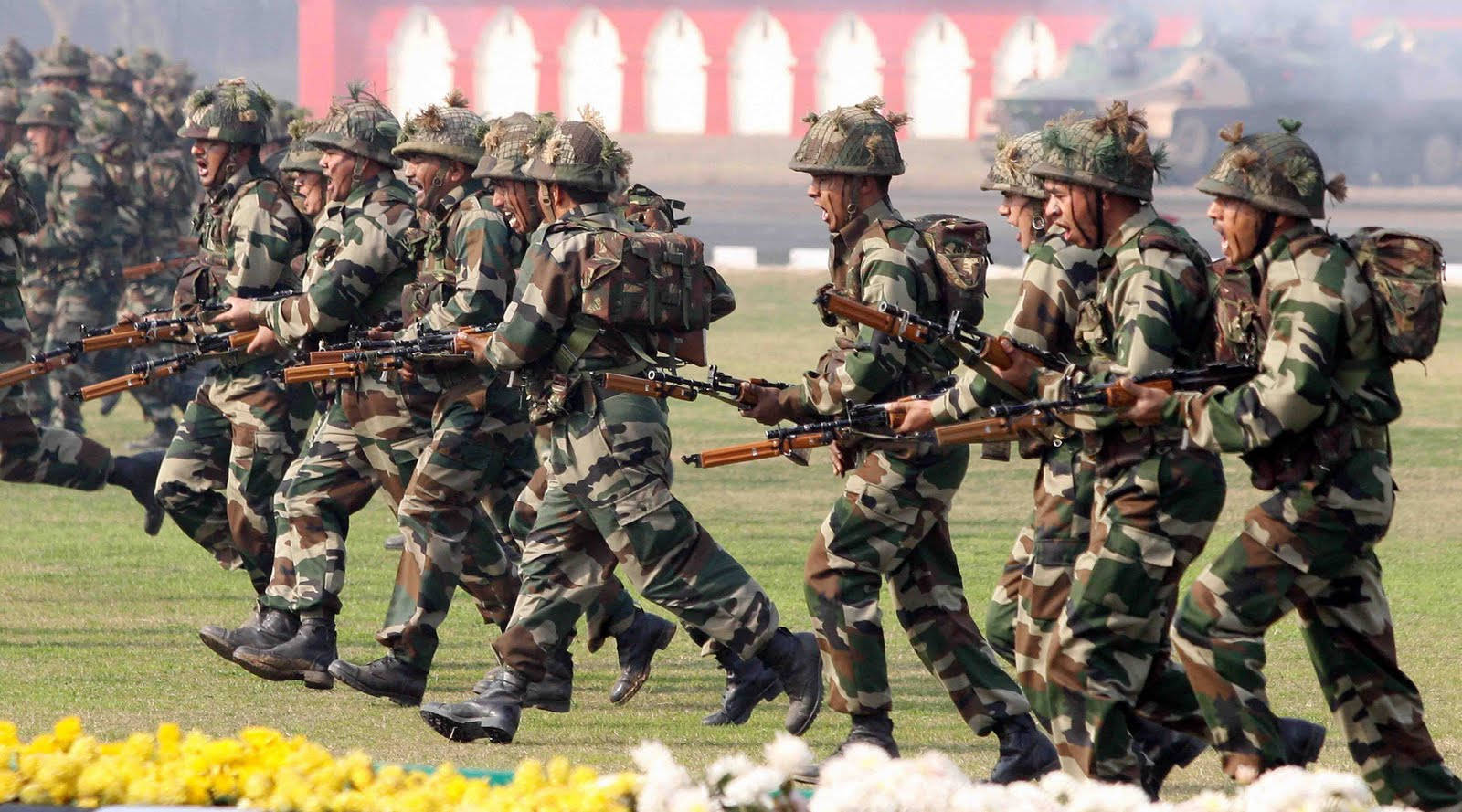
The Union Home Ministry’s decision to raise reservation for ex-Agniveers in Group C posts of CAPFs from 10% to 50% signifies a major policy recalibration under the Agnipath scheme, focusing on post-service absorption.
Key Significance
-
Addresses employment insecurity
-
Provides assured career pathways after short-term military service
-
Reduces uncertainty among youth joining Agnipath
-
-
Enhances acceptability of Agnipath
-
Improves social legitimacy of the scheme
-
Builds confidence among aspirants and families
-
-
Optimal utilization of trained manpower
-
Ex-Agniveers already possess discipline, physical fitness, and operational exposure.
-
Prevents wastage of investment in military training
-
Impact on CAPFs
-
Strengthens internal security
-
Faster induction of combat-ready personnel
-
Improves operational preparedness
-
-
Reduces training cost and time
-
Less need for basic training compared to fresh civilian recruits
-
-
Addresses manpower shortages
-
Supports CAPFs facing vacancies at constabulary levels
-
Governance and Policy Perspective
-
Responsive governance
-
Reflects course correction based on public feedback and expert concerns
-
-
Alignment with national security goals
-
Integrates military experience into internal security architecture
-
Concerns
-
Merit and equity issues
-
High reservations may impact opportunities for general candidates
-
-
Career progression ambiguity
-
Need clarity on seniority, promotions, and long-term service conditions
Way Forward
-
Comprehensive rehabilitation framework
-
Link ex-Agniveers with state police, PSUs, and the private sector
-
Formal skill certification and age relaxation policies
Conclusion
-
The enhanced reservation is a pragmatic step that strengthens Agnipath’s sustainability while reinforcing CAPFs, provided it is complemented by transparent career progression and wider employment avenues.
Ques : How does the increased absorption of ex-Agniveers into CAPFs attempt to address the concerns raised during the 2022 protests against the Agnipath scheme? Evaluate whether this measure is sufficient in the long run. (250 Words)
